
In the ever-evolving landscape of the music industry, owning master recordings has emerged as a crucial asset for independent artists seeking autonomy and financial stability. For artists like Nasty Jack, mastering the art of owning their recordings can be a game-changer, offering unprecedented control over their music career.
What are Master Recordings?
Master recordings are the original recordings from which all copies are made. They hold the purest form of the artist's work and are essential for reproduction, distribution, and licensing. Ownership of master recordings grants artists exclusive rights to their music, allowing them to dictate its usage and monetisation.
How Do Master Recordings Benefit Independent Artists?
For independent artists like Nasty Jack, owning master recordings brings multifaceted advantages. Firstly, it provides complete control over distribution channels, enabling artists to choose how, when, and where their music is released. This autonomy fosters a direct connection with fans and maximises revenue potential.
Moreover, ownership of master recordings unlocks diverse revenue streams beyond traditional music sales. Artists can explore licensing opportunities for film, television, and advertisements, expanding their reach and earning potential. Additionally, retaining master rights allows for creative freedom, empowering artists to experiment with different distribution models and artistic endeavours without external constraints.
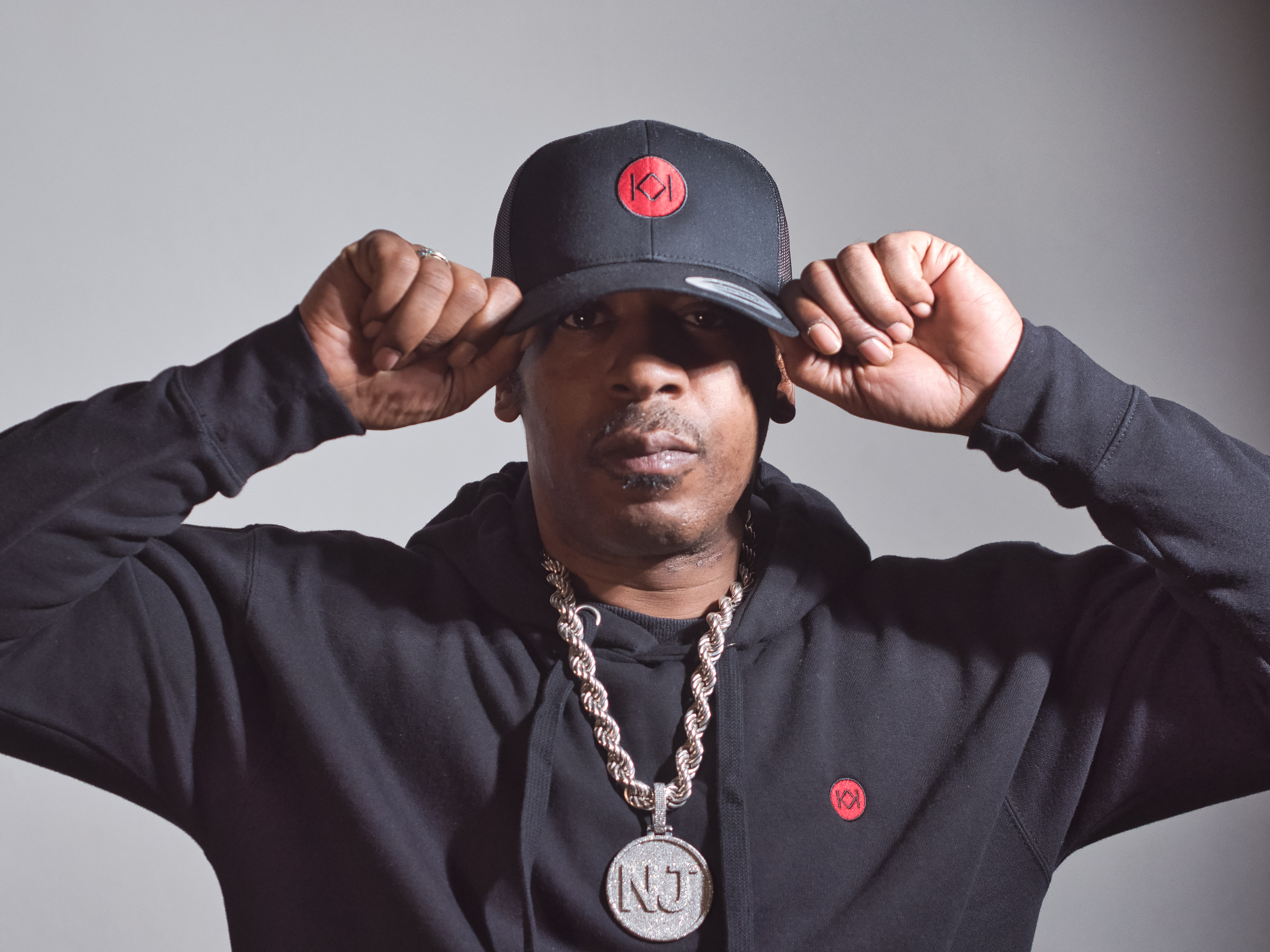
photo by Flash Spacey
Case Study: Nasty Jack
Nasty Jack, a rising star in the independent music scene, exemplifies the benefits of owning master recordings. With a fervent fan base and a distinct musical style, Nasty Jack leveraged ownership of his master recordings to skyrocket his career. By bypassing traditional record labels, he maintained artistic control and reaped the rewards of his hard work.
Through strategic self-release campaigns and savvy marketing tactics, Nasty Jack cultivated a loyal following while retaining the lion's share of profits from his music. His success serves as a blueprint for aspiring artists looking to navigate the industry on their terms.
Challenges of Owning Master Recordings
However, owning master recordings is not without its challenges. Independent artists must shoulder the initial financial burden of recording, mixing, and mastering their music—a daunting prospect for many without the backing of a record label. Furthermore, navigating the legal intricacies of copyright and licensing requires careful consideration and potentially costly legal counsel.
Strategies for Independent Artists to Acquire Master Recordings
Despite these challenges, there are several strategies for independent artists to acquire master recordings. Self-funding projects through savings, grants, or crowdfunding platforms empowers artists to maintain ownership while retaining creative control. Alternatively, negotiating favourable terms with record labels or distributors can provide access to resources and expertise without sacrificing autonomy.
Conclusion
In conclusion, owning master recordings presents a wealth of opportunities for independent artists like Nasty Jack. By seizing control of their music, artists can dictate their artistic direction, maximise revenue potential, and forge meaningful connections with their audience. While challenges exist, the benefits far outweigh the risks, making ownership of master recordings a cornerstone of success in the modern music industry.

FAQs:
Why are master recordings important for independent artists?
- Master recordings offer artists control over their music, distribution, and revenue streams, empowering them to navigate the industry independently.
How can independent artists acquire master recordings?
- Artists can self-fund projects, utilise crowdfunding, or negotiate with record labels to acquire master recordings while retaining ownership rights.
What are the revenue opportunities associated with owning master recordings?
- Owners of master recordings can earn revenue through music sales, licensing for film and television, streaming royalties, and merchandise sales.
What challenges do independent artists face in owning master recordings?
- Independent artists must overcome financial barriers, legal complexities, and industry competition to successfully own and manage their master recordings.
How does owning master recordings impact an artist's creative freedom?
- Ownership of master recordings allows artists to make artistic decisions autonomously, experiment with distribution models, and explore diverse creative endeavours.
posted by Flash Spacey