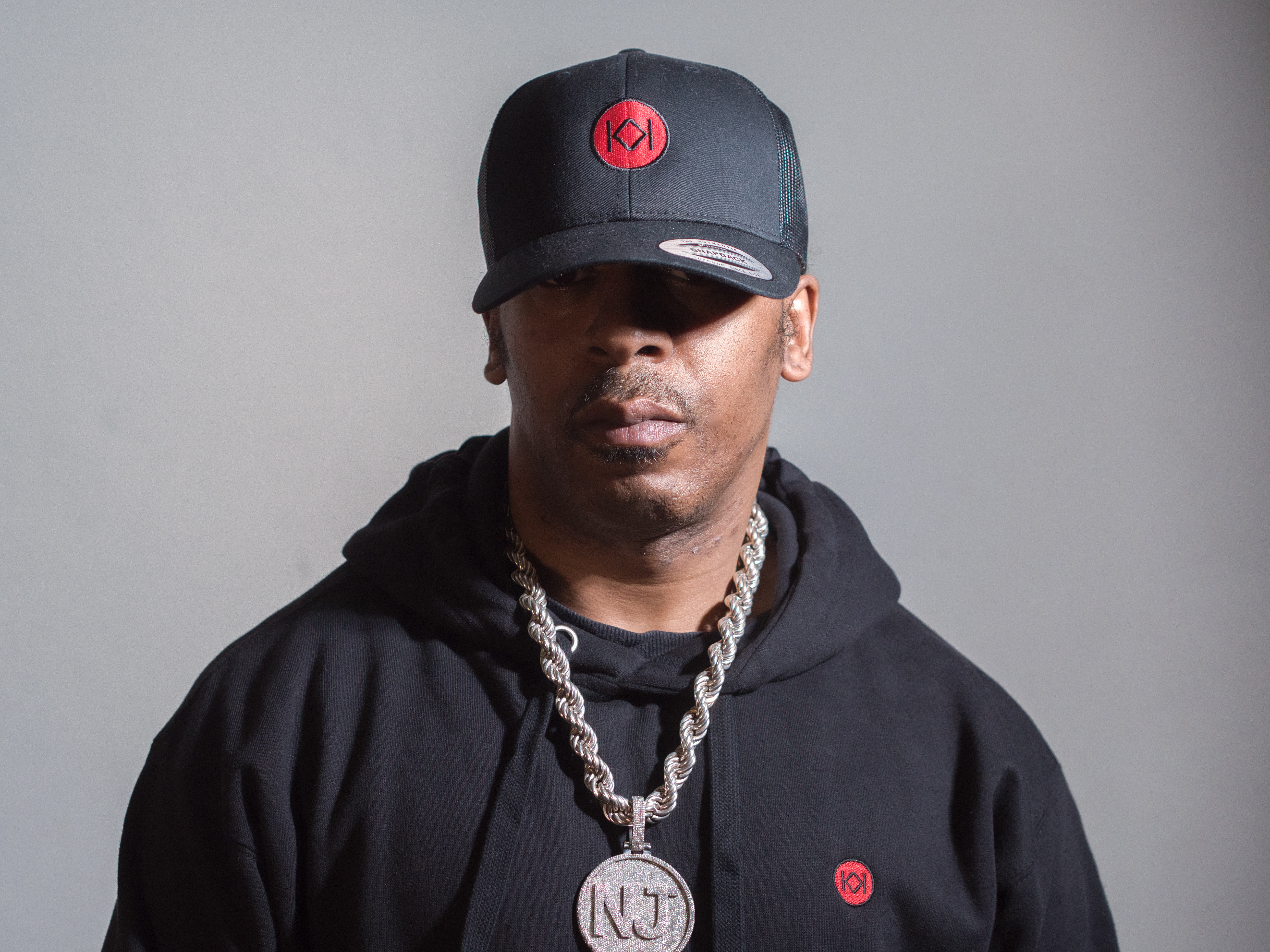
The Grime scene, once a vibrant and influential force in British music and culture, now stands at a crossroads, facing the challenge of a fading legacy. Born from the streets of East London and fuelled by the raw energy of its pioneers, Grime emerged as a voice for marginalised communities, addressing issues of identity, inequality, and social injustice. However, in recent years, the scene has encountered obstacles and setbacks that threaten to overshadow its legacy and diminish its impact.
As we navigate the complexities of the modern music industry and grapple with shifting trends and tastes, it's crucial to examine the trajectory of the Grime scene and reflect on its contributions to the cultural landscape. In this exploration, we'll delve into the evolution of Grime, the challenges it faces, and the efforts to preserve its legacy in the face of adversity. Join us as we embark on a journey to understand the essence of the Grime scene and the factors that shape its destiny.
Rise of Grime Music
The emergence of Grime music marked a transformative moment in the British music scene, providing a platform for urban youth to express their experiences, frustrations, and aspirations. Rooted in the multicultural neighbourhoods of London, Grime music captured the raw energy and authenticity of its surroundings, reflecting the realities of inner-city life.
During the early 2000s, Grime gained traction through underground radio stations, pirate radio broadcasts, and intimate club performances. Crews such as So Solid, Pay as You Go, Heartless, ROLL DEEP and N.A.S.T.Y Crew emerged as pioneers of the genre, blending elements of UK garage, dancehall, and hip-hop to create a distinctively British sound. With its rapid-fire flows, gritty beats, and socially conscious lyrics, Grime resonated with a generation of listeners hungry for authentic voices and stories.
As Grime music gained momentum, it transcended geographical boundaries, reaching audiences beyond London and attracting attention from mainstream media and record labels. The success of artists like Dizzee, Wiley, Skepta and Stormzy propelled Grime into the mainstream, earning recognition and accolades both at home and abroad.
The rise of Grime music not only reshaped the British music landscape but also challenged existing notions of genre and identity. It became a symbol of resistance and empowerment for urban youth, offering a platform for self-expression and social commentary. Despite facing barriers and prejudice, Grime artists persevered, carving out their place in the music industry and inspiring a new generation of talent.
As we reflect on the rise of Grime music, we recognise its significance as a cultural movement and a catalyst for change. It embodies the spirit of resilience, creativity, and authenticity that defines the Grime scene, leaving an indelible mark on British music history. However, as we examine the legacy of Grime, we must also confront the challenges and obstacles that threaten its continued evolution and relevance in an ever-changing music landscape.
Challenges Faced by the Grime Scene
Commercialisation
Despite its underground roots, grime eventually found itself thrust into the mainstream spotlight. While this newfound visibility brought opportunities for exposure and financial success, it also posed challenges to the genre's authenticity and integrity. Over the years, the Grime sound has evolved and diversified, reflecting the changing tastes and influences of its artists and audience. From the raw, underground sound of its early days to the more polished and commercial productions of today, Grime has adapted and innovated while staying true to its roots. Artists like Skepta, Stormzy, and Wiley have propelled the genre to new heights, earning international acclaim and bringing Grime to audiences around the world.
Shift in Audience Preferences
As tastes evolved and new genres emerged, the once-dominant position of grime in the UK music landscape began to wane. With listeners gravitating towards alternative styles and sounds, grime struggled to maintain its relevance and stature.
Impact of Social Media on Grime Music
The advent of social media revolutionised the way music was consumed and shared, presenting both opportunities and challenges f or artists within the grime scene. While platforms like YouTube and SoundCloud provided unprecedented access to global audiences, they also facilitated the dilution of grime's distinct identity.
Nasty Jack's Contribution to Grime's Legacy
As an Independent Artist and label owner, Nasty Jack played a vital role in shaping the trajectory of grime music. His raw talent, uncompromising lyricism, and unwavering dedication to his craft have earned him a place of honour within the pantheon of grime legends. Throughout the evolution of the Grime scene, Nasty Jack's influence remains palpable, his contributions serving as a blueprint for aspiring artists and a testament to the genre's enduring spirit. As a pioneer and trailblazer, Nasty Jack paved the way for future generations of Grime artists, inspiring them to embrace their individuality, express their truths, and push boundaries creatively. His legacy lives on in the music, the culture, and the community he helped to build.
Signs of Decline in the Grime Scene
In recent years, ominous signs have emerged indicating a decline in the popularity and relevance of the grime scene. Attendance at grime events has dwindled, radio play has decreased, and emerging artists struggle to break into the mainstream consciousness.
Factors Contributing to the Decline
Despite its enduring legacy and cultural significance, the Grime music scene has faced challenges and obstacles that have contributed to its decline in recent years. While the genre once thrived as a vibrant hub of creativity and innovation, several factors have emerged that have impacted its sustainability and growth. Understanding these factors is essential for contextualising the current state of Grime music and exploring potential avenues for revitalisation.
Commercialisation and Mainstream Co-optation
One of the primary factors contributing to the decline of Grime music is its commercialisation and mainstream co-optation. As the genre gained popularity and recognition, it attracted the attention of major record labels and media outlets, leading to attempts to sanitise and commodify its sound for mass consumption. This commercialisation stripped Grime music of its raw authenticity and underground appeal, alienating longtime fans and artists who felt that the genre had lost its edge and integrity.
Lack of Industry Support and Infrastructure
Another significant factor in the decline of Grime music is the lack of industry support and infrastructure for artists within the scene. Despite its cultural relevance and influence, Grime has often been marginalized and overlooked by mainstream music industry gatekeepers, who favor more commercially viable genres and artists. This lack of support has hindered the growth and development of Grime artists, limiting their access to resources, opportunities, and exposure needed to sustain their careers and reach wider audiences.
Gentrification and Urban Displacement
The process of gentrification and urban displacement has also played a role in the decline of Grime music, as traditional spaces for artistic expression and community engagement have been eroded by rising rents and redevelopment. Many of the venues, studios, and grassroots organizations that once served as hubs for Grime culture have been forced to close or relocate, disrupting the social networks and creative ecosystems that sustained the scene. This loss of physical space has made it increasingly difficult for artists and fans to connect and collaborate, further isolating and fragmenting the Grime community.
Emergence of New Genres
The rise of new musical genres and subcultures has fragmented the UK music scene, diverting attention and resources away from grime and its associated artists. Additionally, shifting cultural trends and tastes have contributed to the decline of Grime music, as younger audiences gravitate towards different genres and styles of music. While Grime remains a vital and influential genre within British music culture, its appeal may be limited to certain demographics or regions, making it challenging to attract new listeners and sustain interest over time. As musical preferences evolve and diversify, Grime artists must adapt and innovate to remain relevant in an ever-changing landscape.
The Role of Streaming Platforms in Grime's Fate
Streaming platforms have played a significant role in shaping the trajectory of Grime music, both elevating its visibility and presenting challenges to its sustainability. As the music industry shifted towards digital distribution and consumption, platforms like Spotify, Apple Music, and YouTube became primary channels for accessing music, influencing the reach and revenue potential of artists within the Grime scene. Streaming platforms also offer opportunities for exposure, they also present challenges in terms of monetisation for Grime artists. The shift from physical sales to streaming has led to changes in revenue models, with artists earning fractions of a penny per stream. For independent artists and those operating within the Grime scene, navigating the complexities of streaming economics can be challenging, requiring innovative strategies for monetisation and financial sustainability. While streaming platforms have democratised access to music, they have also contributed to the homogenisation of musical tastes, making it increasingly difficult for niche genres like grime to stand out in an oversaturated market.
Efforts to Revive the Grime Scene
Despite the challenges it faces, the grime scene refuses to go quietly into the night. Artists, promoters, and fans alike are mobilising to reignite interest in the genre, organising events, releasing new music, and preserving its rich cultural heritage. One of the first steps in reviving the Grime scene is recognising its importance and cultural significance. Grime emerged as a voice for marginalised communities, addressing issues of identity, inequality, and social injustice. It provided a platform for artists to share their stories, express their truths, and challenge the status quo. By acknowledging the impact of Grime on British music and culture, efforts to revive the scene gain momentum and legitimacy.
Central to the revival of the Grime scene is investing in grassroots talent and supporting emerging artists. Historically, Grime thrived in underground venues, pirate radio stations, and DIY recording studios, where artists honed their craft and built a loyal fan base. By providing resources, mentorship, and opportunities for exposure, stakeholders can empower the next generation of Grime artists to carry the torch forward and keep the scene alive.
At its core, the Grime scene is about community and collaboration, bringing together artists, producers, DJs, and fans from diverse backgrounds and neighbourhoods. Efforts to revive the scene must prioritize building connections and fostering a sense of unity and solidarity within the community. This includes organizing events, cyphers, and collaborations that celebrate the culture and creativity of Grime while providing platforms for emerging talent to shine.
While honouring its roots, the Grime scene must also embrace innovation and diversity to stay relevant in an ever-changing music landscape. This means experimenting with new sounds, styles, and production techniques while staying true to the genre's core principles and values. Embracing diversity in all its forms, including gender, race, and ethnicity, is essential to ensuring that the Grime scene remains inclusive and representative of its diverse audience.
Importance of Preserving Grime Culture
As a cultural phenomenon rooted in the experiences and aspirations of marginalised communities, grime represents more than just a musical genre—it is a testament to the resilience and creativity of its creators.
At its core, Grime culture is a celebration of cultural identity and representation, providing a platform for voices often marginalised or overlooked by mainstream media. From the distinctive slang and dialects to the fashion, art, and lifestyle associated with the scene, Grime culture embodies the lived experiences and aspirations of urban youth, offering a sense of belonging and community in a society marked by inequality and discrimination.
Grime culture fosters a sense of community and empowerment, bringing together individuals from diverse backgrounds and neighbourhoods in a shared celebration of music, creativity, and identity. From grassroots events and DIY recordings to collaborative projects and mentorship programs, Grime culture cultivates spaces for connection, collaboration, and growth within urban communities. By preserving Grime culture, we uphold these values of solidarity, resilience, and collective empowerment, ensuring that future generations have access to the same opportunities for self-expression and growth.
The importance of preserving Grime culture cannot be overstated. As a reflection of urban life and identity in Britain, Grime culture embodies the resilience, creativity, and diversity of its communities. By honoring its legacy, we uphold the values of cultural identity, artistic expression, social justice, and community empowerment that lie at the heart of the Grime scene.
Conclusion
As we reflect on the evolution and current state of the Grime scene, it's natural to wonder whether its legacy is fading. Despite its undeniable impact on British music and culture, the Grime scene has faced challenges and setbacks in recent years, leading some to question its future. However, while the scene may have experienced periods of stagnation and neglect, its legacy remains firmly rooted in the hearts and minds of those who have been touched by its music, culture, and community.
While it's true that the Grime scene has faced adversity, including shifts in industry dynamics, changing tastes in music, and external pressures, its spirit and resilience endure. The Grime scene has always been about more than just the music; it's about identity, empowerment, and belonging. It's about giving a voice to the voiceless and challenging the status quo. And as long as there are artists and fans who believe in its message and mission, the legacy of Grime will continue to live on.
In many ways, the challenges facing the Grime scene today are also opportunities for growth and renewal. By embracing innovation, supporting emerging talent, and fostering a sense of community and collaboration, stakeholders can ensure that the legacy of Grime remains vibrant and relevant for generations to come. While the road ahead may be uncertain, one thing is clear: the spirit of Grime cannot be extinguished so easily.
As we look to the future, let us honour the pioneers and trailblazers who have shaped the Grime scene, while also embracing the creativity, diversity, and resilience that define its legacy. Whether the Grime scene is experiencing a resurgence or a renaissance, one thing is certain: its legacy will endure, leaving an indelible mark on British music and culture for years to come.

FAQs:
- Is grime music dead?
- What can be done to support the grime scene?
- How has Nasty Jack influenced modern grime artists?
- Are there any upcoming grime events?
- What role does social media play in the resurgence of grime?
posted by Flash Spacey